

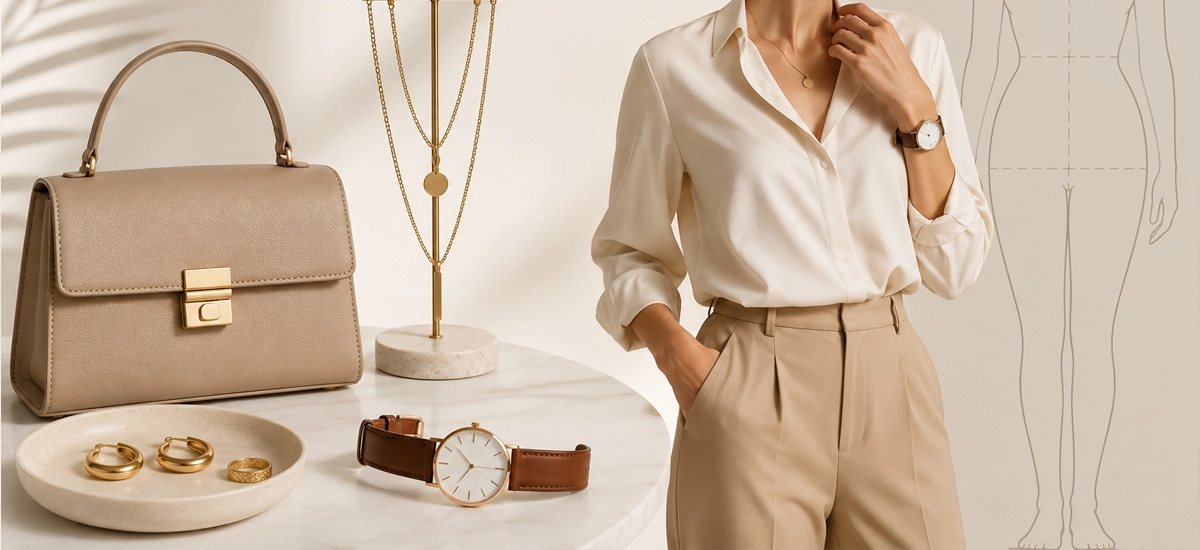
Accessories may be small, but they can completely change how an outfit looks and feels. A watch, necklace, pair of earrings, handbag, or belt can add balance, highlight your favorite features, and bring a simple outfit together. Choosing the right accessories isn’t simply about following the latest fashion trends. Your height, proportions, face shape, outfit, and personal style can all influence which accessories look most balanced on you. The good news? There are no strict fashion rules you have to follow. Understanding proportion and scale simply gives you a useful starting point for choosing fashion accessories for your body type to complement your personal style.
FashionTrendia Styling Note: Body-type and face-shape guidelines are suggestions, not fixed rules. The best accessories are those that make you feel comfortable and confident. Use these tips as a starting point, then experiment with different sizes, shapes, colors, and styles to discover what works for you.
Start With Your Body Proportions
Before choosing accessories, take a moment to consider your overall proportions. You may be petite, tall, curvy, athletic, or somewhere in between. You don’t need to fit yourself into a specific body-type category to make good styling choices.
The key principle is balance.
Larger or taller frames can often carry larger statement accessories comfortably, while delicate pieces may create a more subtle effect. On a petite frame, smaller or medium-sized accessories can create a streamlined appearance.
However, these are only styling guidelines. A petite person can absolutely wear an oversized statement necklace or large handbag. The goal isn’t to restrict your choices but to understand how scale affects your overall appearance.
When you know how different accessory sizes interact with your proportions, you can make more intentional styling decisions.
Choose the Right Watch Size for Your Wrist
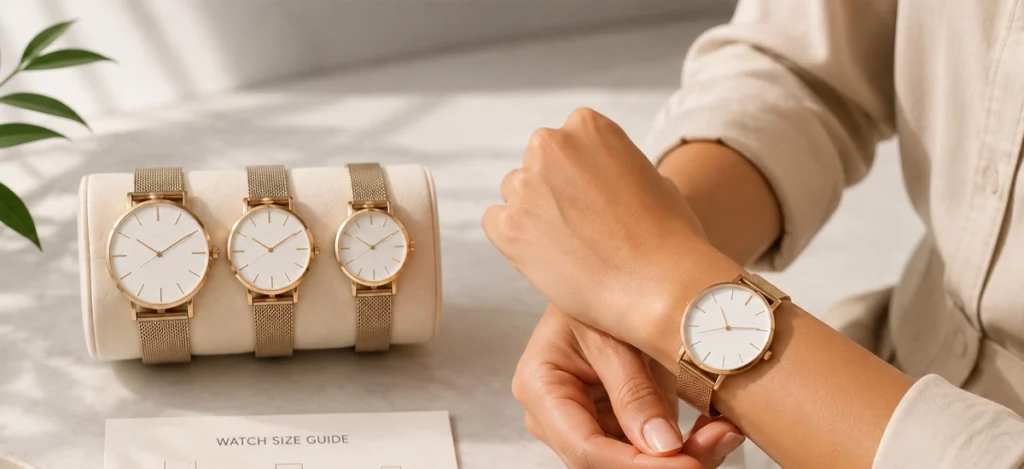
A watch is kind of doing two jobs at once. It tells time, sure, but it’s also a style piece, so the size matters more than most people realize. A chunky case with a wide band? That’s a statement. Something slim and understated says something completely different.
If your wrist runs small, slimmer cases with a moderate dial usually sit better; nothing looks crowded that way. Bigger wrists tend to carry a medium or larger case just fine.
Straps change the whole feel too, by the way. Metal feels more structured, more polished. Leather softens things, feels a bit more classic. If you’re comparing different styles, visiting a ny watch store can also help you see how different case sizes and strap designs look on an actual wrist. Honestly, the easiest way to know what works is just try a few on and see how they look next to your actual clothes, not just on their own.
Choose Necklaces That Complement Your Neckline
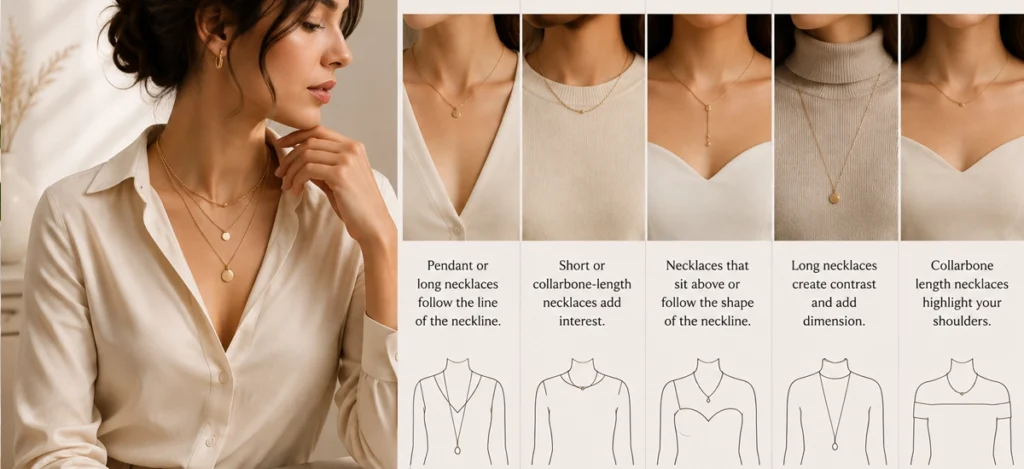
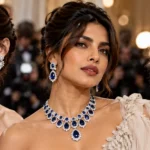
When choosing necklaces, consider both your proportions and the neckline of your outfit. A necklace that looks beautiful with one top may not have the same effect with another.
Longer necklaces and pendants can create a vertical visual line, making them useful when you want to elongate the appearance of an outfit. Shorter necklaces draw more attention toward the neck and collarbone.
Consider these combinations:
- V-neck tops: Pendant and longer necklaces can complement the natural vertical line of the neckline.
- Crew necks: Shorter necklaces or statement pieces can add interest around the neckline.
- Turtlenecks: Longer necklaces can create contrast against the high neckline.
- Simple tops: Layered necklaces can add dimension without competing with patterns.
If you’re layering necklaces, choose noticeably different lengths. When multiple necklaces sit too closely together, they can look crowded rather than intentionally layered.
Choose Earrings Based on Your Face Shape
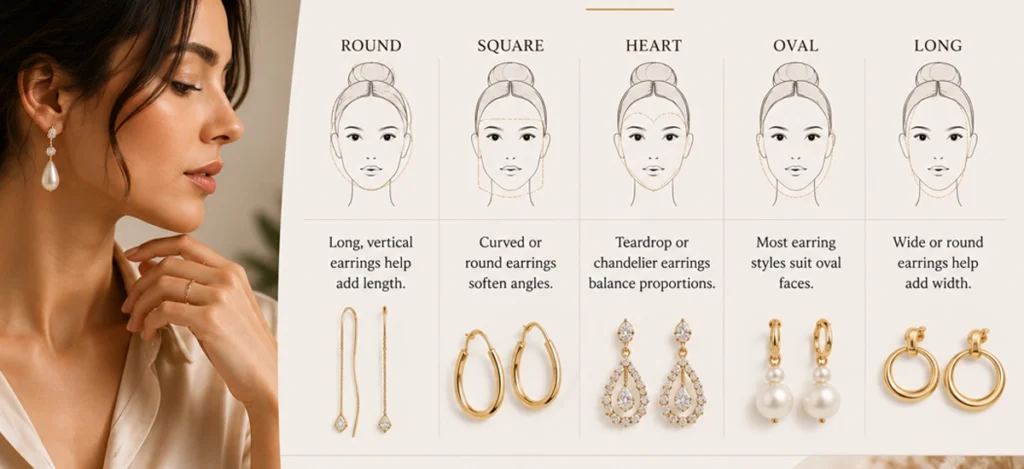
Because earrings sit close to your face, their shape can influence how your overall look is perceived.
For a round face, elongated or vertical earrings can provide contrast and add visual length. If your face has stronger or more angular features, rounded or curved everyday earrings can introduce softer shapes.
An oval face generally works well with a wide variety of earring styles, giving you plenty of room to experiment.
Your hairstyle matters too. Statement earrings can stand out beautifully when your hair is pulled back, worn short, or styled into an updo. Smaller earrings or studs can be practical when your hair is worn down.
Instead of following face-shape rules too literally, compare different earring styles in the mirror and consider which shapes complement your features and hairstyle.
Suggested to Read – Best Sunglasses for Round Face
Select Handbags That Balance Your Frame
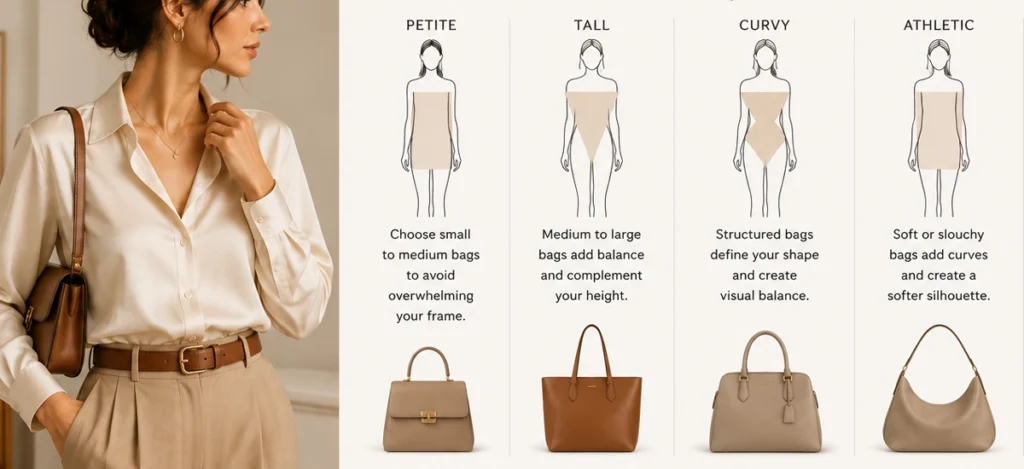
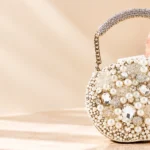
A handbag needs to be practical, but its size and placement can also affect the visual proportions of an outfit.
Very large handbags may appear overwhelming on a petite frame, while extremely small bags can sometimes look less proportionate with a taller or larger frame. Medium-sized handbags or clutches are often versatile because they provide visual interest without dominating the outfit.
The shape of the bag matters as well:
- Structured handbags can add definition to relaxed or flowing outfits.
- Soft, slouchy bags create a casual and effortless appearance.
- Smaller bags work well when you want to keep your outfit visually light.
- Larger bags can complement outfits where additional visual weight feels balanced.
Pay attention to where your bag sits on your body, too. A shoulder bag that falls directly around the widest part of your body can naturally draw attention there. Moving the bag slightly higher or lower changes the visual focus.
Use Belts to Define Your Proportions
Belts are one of the easiest accessories for your body type to use when you want to create definition in an outfit.
Wearing a belt around your natural waist can visually separate the upper and lower parts of your outfit while emphasizing your waistline. This can be particularly useful with dresses, oversized shirts, coats, and flowing silhouettes.
The width of the belt also changes its impact.
Wide belts tend to create a stronger visual statement and can work well with outfits featuring plenty of fabric. Narrow belts offer a more subtle approach when you want definition without making the belt the focal point.
Color is another important consideration. A belt that closely matches your outfit creates a more seamless appearance, while a contrasting belt immediately attracts attention and can become a deliberate statement piece.
Pay Attention to Accessory Scale
One of the simplest ways to improve your accessory styling is to consider scale.
Wearing large earrings, a chunky watch, an oversized necklace, and a statement handbag at the same time can create too many competing focal points. Instead, consider choosing one main statement accessory and allowing the other pieces to support it.
For example, if you’re wearing bold statement earrings, you might choose a simpler necklace and watch. If your necklace is the main focal point, understated earrings can help maintain balance.
The same principle applies to clothing.
If you’re wearing a heavily patterned dress or bold print, simpler accessories may create a cleaner overall look. With a minimalist outfit, however, you have more freedom to experiment with oversized or distinctive accessories.
Think of your outfit as a complete composition rather than styling each accessory separately.
Also Read – How to Choose Perfume Oils
Use Color and Contrast Strategically
Color can change how noticeable an accessory appears.
Neutral accessories tend to blend easily into an outfit, while bright or contrasting colors naturally attract attention. You can use this to direct the eye toward a particular area intentionally.
For example:
- Bold earrings can draw attention toward the face.
- A contrasting belt can emphasize the waist.
- A colorful handbag can become the focal point of a neutral outfit.
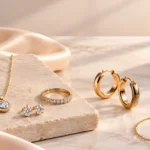
- Metallic jewelry can add subtle contrast to an otherwise simple look.
Metal tones can also influence the overall impression of your outfit. Gold, silver, rose gold, and mixed-metal accessories each create a different visual effect.
You don’t necessarily have to match every metal. Mixing metals can look stylish when the combination feels intentional and coordinated with the rest of your outfit.
Consider Your Outfit Before Choosing Accessories
Your body proportions aren’t the only factor to consider. The clothes you’re wearing should also influence your accessory choices.
A loose, oversized outfit may benefit from structured accessories that provide definition. On the other hand, a tailored outfit may work beautifully with softer or more relaxed accessories.
Think about the three elements together:
Your proportions + your clothing + your accessories
When these elements work together, the result usually feels more balanced.
For example, an oversized blazer can be paired with a structured handbag and a simple watch. A flowing maxi dress may work well with a defined belt, long necklace, or statement earrings.
Let Your Personal Style Guide the Rules
Body-type styling guidelines are useful, but they should never replace personal expression.
If you love oversized watches, dramatic earrings, or large handbags, there’s no reason to avoid them simply because a traditional styling guide recommends something smaller.
The goal is to understand the principles behind proportion and balance so you can adapt them to your own style.
Try experimenting with:
- Different accessory sizes
- Unexpected color combinations
- Mixed metals
- Layered necklaces
- Statement earrings
- Different handbag shapes
- Wide and narrow belts
The more you experiment, the easier it becomes to recognize what works for your wardrobe and makes you feel confident.
How to Find Accessories That Work Best for You
If you’re unsure which accessories complement your body type, start with experimentation rather than buying a completely new collection.
Stand in front of a mirror wearing an outfit you already love. Then try different accessory sizes and shapes one at a time.
Ask yourself:
- Does the accessory feel proportionate to my outfit?
- Does it complement rather than compete with my clothing?
- Does it highlight an area I want to emphasize?
- Is the color working with the rest of the outfit?
- Does it feel comfortable?
- Does it reflect my personal style?
Taking photos can also help. Sometimes an accessory looks different in a full-length photograph than it does when you’re looking at it closely in a mirror.
Most importantly, don’t be afraid to break the conventional rules when something makes you feel confident.
Final Thoughts
Choosing accessories for your body type ultimately comes down to balance, proportion, and personal style.
A watch should feel comfortable and look proportionate to your wrist. A necklace should work with your neckline and outfit. Earrings can complement your face shape and hairstyle, while handbags and belts can influence the visual balance of your overall look.
But none of these guidelines are absolute.
Use them as a starting point, then experiment in front of a mirror with different sizes, shapes, colors, and combinations. The accessories that work best for you aren’t necessarily the ones that follow every traditional fashion rule – they’re the ones that complement your proportions, fit your wardrobe, and make you feel like yourself.
Ready to refresh your accessory collection? Start with one outfit you already love and experiment with a new watch, necklace, pair of earrings, handbag, or belt. Small styling changes can make a surprisingly big difference.


Leave Your Comment: