

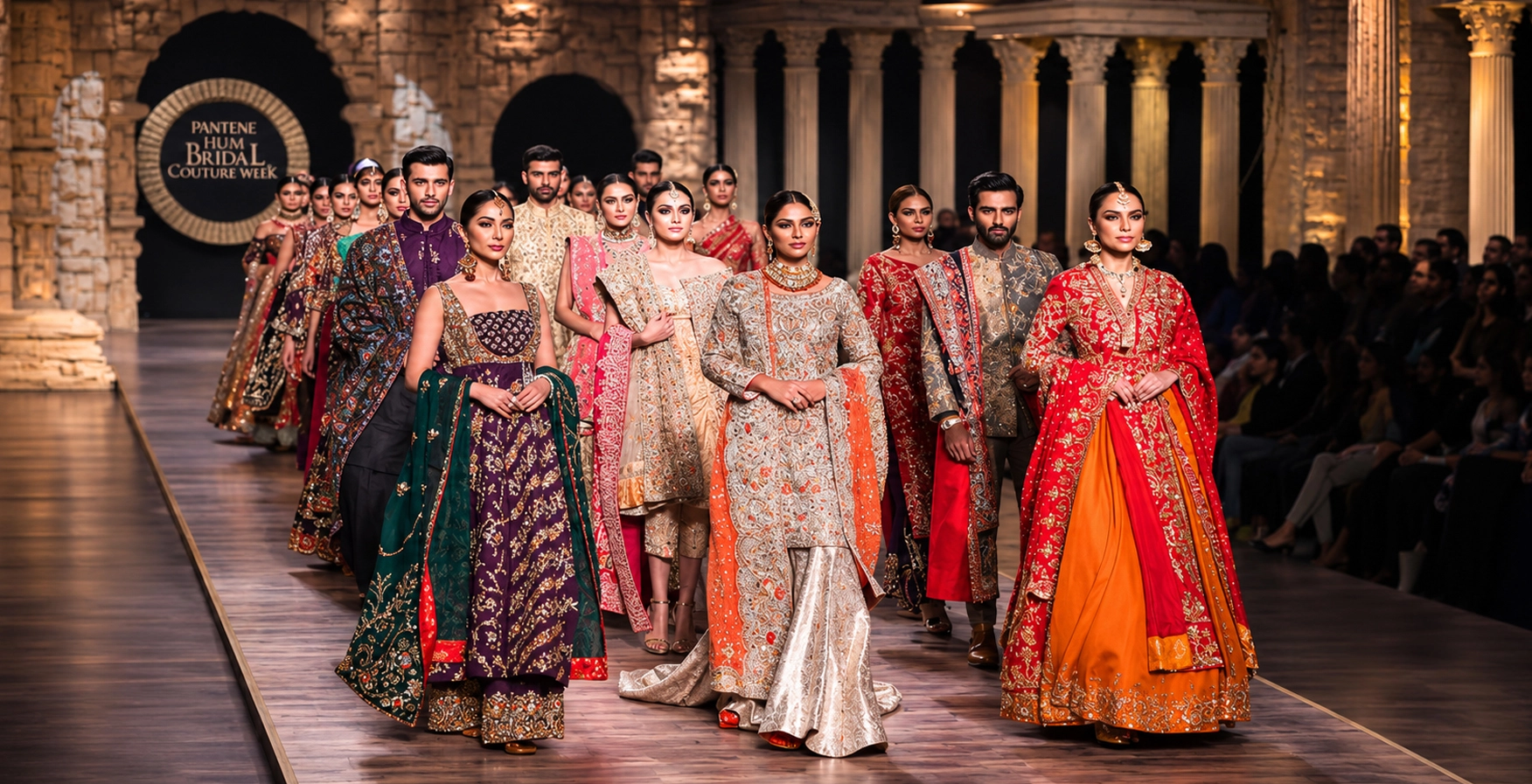
Pakistan’s fashion industry reflects a mix of creative expression, textile craftsmanship and changing style preferences. From detailed bridal outfits to contemporary ready-to-wear clothing, designers across the country have developed different approaches to fashion. Their work represents a variety of influences, including regional textiles/fabrics, modern silhouettes, embroidery techniques and international design trends. Choosing notable fashion designers in Pakistan is not simply about popularity. Their creative identity, range of collections, craftsmanship and contribution to the industry also help explain what makes their work distinctive. Here are ten Pakistani fashion designers whose work represents different aspects of the country’s evolving fashion landscape.
Here are Popular Fashion Designers in Pakistan
1. Hussain Rehar
Hussain Rehar is a Pakistani fashion designer and the founder and creative director of his namesake fashion label, established in 2017. A graduate of the Pakistan Institute of Fashion and Design (PIFD), he has developed a recognizable design language through expressive colors, distinctive prints and experimental styling.
His work spans luxury prêt, formal wear and bridal couture. Across these categories, his collections explore different silhouettes, textures and combinations of design details. Rather than relying on one signature look, his approach allows each collection to develop its own visual character.
In 2025, his Jeevan collection was presented in Paris, bringing his interpretation of South Asian fashion to an international platform. His work offers an example of how contemporary Pakistani design can draw on local influences while exploring new creative directions.
2. Hassan Sheheryar Yasin (HSY)
Hassan Sheheryar Yasin, widely known as HSY, is an established name in Pakistan’s fashion industry, particularly in bridal couture and formal clothing. His fashion label has developed a recognizable identity through elaborate embroidery, structured silhouettes and detailed embellishment.
His collections include bridal ensembles, formal wear and luxury prêt. Alongside clothing, his work in fashion presentations and television has contributed to his public profile. His designs are particularly associated with occasion dressing, where craftsmanship and decorative details play an important role.
3. Sana Safinaz
Founded by Sana Hashwani and Safinaz Muneer, Sana Safinaz has developed into a prominent Pakistani fashion label with a broad collection range. Its work includes unstitched fabric, ready-to-wear, formal clothing and bridal designs.
The brand explores a variety of prints, color combinations, fabrics and silhouettes. Its seasonal collections cater to different preferences, from everyday clothing to outfits for formal occasions. Its long-standing retail presence also reflects the growth of designer fashion as part of Pakistan’s wider clothing market.
Suggested to read – Outfit Ideas for Every Occasion
4. Maria B
Maria B established her fashion label with a focus on bringing designer clothing to a wide range of customers. The brand now covers several categories, including lawn, prêt, formal wear, bridal clothing and childrenswear.
Its collections combine seasonal prints, embroidery and different fabric choices. This range allows the label to work across both everyday fashion and occasion dressing. The brand’s development also reflects how Pakistani fashion labels have expanded beyond a single clothing category to serve changing customer needs.
5. Khadijah Shah – Élan
Khadijah Shah is the founder and creative director of Élan, a Pakistani fashion label associated with luxury clothing and occasion wear. The brand is known for its use of detailed surface work, carefully selected fabrics and thoughtfully developed silhouettes.
Its collections include formal wear, bridal couture and luxury prêt. Embroidery, embellishment and fabric selection are important elements of its design approach. Élan’s work demonstrates how attention to construction and finishing can shape a consistent identity within the luxury fashion segment.
6. Faraz Manan
Faraz Manan is known for bridal couture, luxury formal wear and occasion dressing. His designs often bring together detailed embroidery, rich fabrics and contemporary tailoring.
His collections are created for weddings and formal celebrations, with an emphasis on craftsmanship and carefully developed silhouettes. His work has also reached customers outside Pakistan, particularly in the Middle East, where South Asian occasion wear has an established audience.
7. Nomi Ansari
Nomi Ansari has developed a distinctive presence through his colorful approach to bridal and formal fashion. His collections frequently explore vibrant color combinations, elaborate embroidery and decorative surface details.
His work includes bridal ensembles and occasion wear, often combining different textures and embellishment techniques. This expressive approach gives his collections a strong visual identity and appeals to customers who prefer statement clothing for weddings and celebrations.
8. Asim Jofa
Asim Jofa began his professional journey in jewellery design before moving into fashion. His background in ornamentation provides an interesting context for the decorative details and embellishment found in many of his clothing collections.
His label offers unstitched fabric, luxury prêt, formal wear and bridal outfits. Its collections explore seasonal prints, embroidery and different fabric combinations. The brand’s broad range illustrates the variety of categories available within Pakistan’s designer fashion market.
9. Fahad Hussayn
Fahad Hussayn approaches fashion through storytelling, artistic references and experimental design concepts. His work often incorporates unusual styling ideas, detailed craftsmanship and creative themes.
His collections have explored couture and formal clothing through visual narratives influenced by art and culture. This conceptual approach distinguishes his work from labels that focus primarily on conventional occasion dressing and gives his fashion presentations an individual character.
10. Zainab Chottani
Zainab Chottani is recognized for bridal couture and formal wear. Her collections feature detailed embroidery, embellishment, carefully selected fabrics and silhouettes developed for weddings and special occasions.
Alongside bridal clothing, her label offers formal and occasion wear in different color palettes and styles. Her work brings attention to the role of craftsmanship and finishing in creating outfits for important celebrations.
How Pakistani Fashion Has Evolved
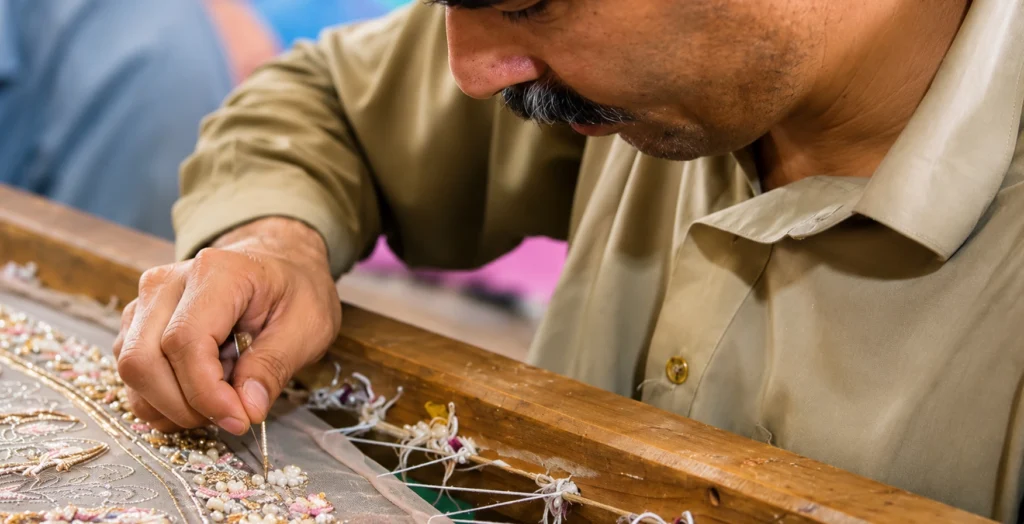
Pakistan’s fashion industry has gradually expanded beyond its earlier emphasis on wedding and occasion clothing. Bridal couture remains an important category, but luxury prêt, ready-to-wear and contemporary formal collections have also become significant parts of the market.
Digital platforms, fashion presentations and international exhibitions have created new opportunities for designers to introduce their work to wider audiences. At the same time, customers have become more familiar with different clothing categories and design approaches.
This development has encouraged fashion labels to explore new silhouettes, fabrics and styling ideas while continuing to work with techniques associated with Pakistani textile craftsmanship.
Understanding the Main Categories of Pakistani Designer Fashion
Pakistani designer clothing includes several categories, each serving a different purpose:
- Bridal Couture – Created for weddings, bridal couture often involves detailed embroidery, hand embellishment, specialized fabrics and carefully constructed silhouettes.
- Luxury Formal Wear – Designed for weddings, receptions and other special occasions, formal wear combines statement styling with detailed finishing and occasion-focused designs.
- Luxury Pret – Luxury prêt brings designer aesthetics into more wearable clothing. It includes contemporary outfits for social occasions and everyday styling.
- Unstitched Collections – These collections provide fabric and design components that customers can have stitched according to their preferred fit and style.
Understanding these categories makes it easier to explore designers according to personal preferences, occasions and clothing requirements.
What Makes a Fashion Designer’s Identity Distinctive?
A designer’s identity develops through more than the appearance of individual outfits. Several elements contribute to the way a label is recognized:
- Design language: The use of color, silhouettes, prints and recurring visual details.
- Craftsmanship: The techniques used in embroidery, embellishment, fabric development and finishing.
- Collection diversity: The ability to work across categories while maintaining a consistent creative direction.
- Cultural perspective: The way local influences and contemporary ideas come together in a designer’s work.
These elements help explain why Pakistani designers can work within the same fashion industry while producing very different collections.
Final Thoughts
Pakistan’s fashion industry continues to develop through designers with different creative interests and approaches to clothing. From bridal craftsmanship and elaborate formal wear to experimental concepts and contemporary prêt, their work reflects the variety of ideas shaping Pakistani fashion. The designers discussed in this article represent different parts of that landscape. Exploring their collections offers a broader understanding of how Pakistani fashion combines craftsmanship, individual creativity and changing style preferences.
You May Also Like


Leave Your Comment: