

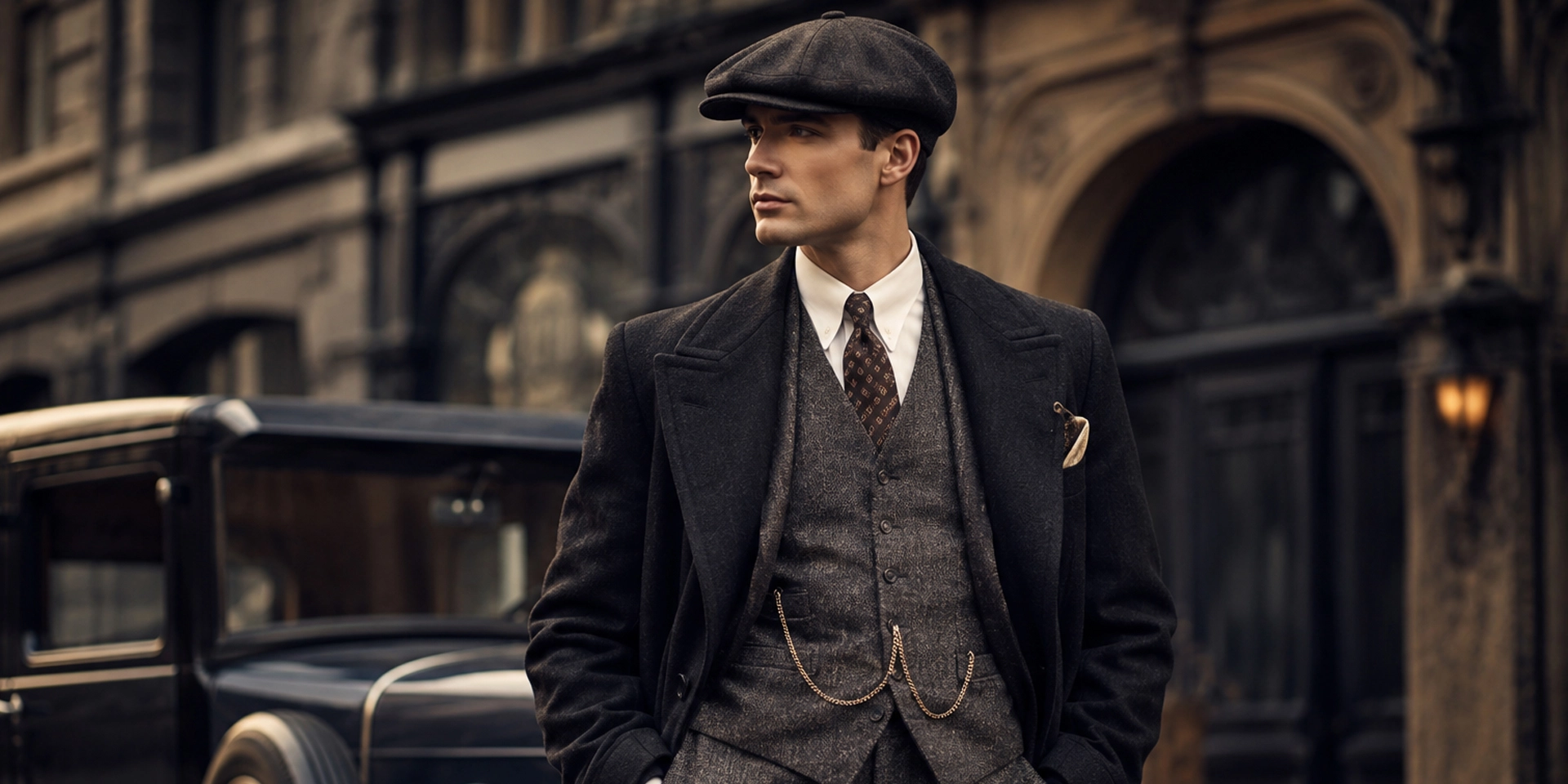
Fashion trends come and go, but some styles continue to inspire generation after generation. One such enduring trend is 1920s men’s fashion. More than a century after the Roaring Twenties, the elegance, sophistication, and craftsmanship of this iconic era continue to influence modern menswear. From tailored three-piece suits and polished Oxford shoes to fedora hats and refined accessories, many wardrobe staples we admire today have their roots in the 1920s.
The decade marked a turning point in men’s fashion. Following World War I, social and cultural changes encouraged men to embrace clothing that was not only stylish but also practical. Tailoring became sharper, fabrics became more luxurious, and accessories became symbols of personality and status. This perfect balance of function and fashion is one of the biggest reasons why 1920s style still resonates with fashion enthusiasts today.
Whether you’re inspired by The Great Gatsby, love vintage clothing, or simply appreciate timeless elegance, understanding why 1920s men’s fashion remains relevant can help you build a wardrobe that never goes out of style.
In this ultimate guide to 1920s mens fashion, we’ll explore the defining characteristics of Roaring Twenties menswear, why it continues to influence modern fashion, and how you can incorporate its classic elements into your everyday outfits.
The Rise of 1920s Men’s Fashion
The end of World War I brought significant changes in society and fashion. Men began moving away from overly formal Victorian clothing in favor of outfits that combined elegance with practicality.
During the 1920s, men’s wardrobes became:
- Better tailored
- More comfortable
- Rich in luxurious fabrics
- Enhanced with stylish accessories
- Suitable for both business and leisure
This balance between sophistication and comfort laid the foundation for many modern menswear trends.
The Origins of 1920s Men’s Fashion
The 1920s, often called the Roaring Twenties, was an era of prosperity, innovation, and cultural transformation. After the hardships of World War I, people embraced optimism, and fashion reflected this newfound confidence.
Men’s clothing evolved significantly during this decade. Instead of the heavy, restrictive garments of earlier periods, designers introduced more comfortable silhouettes without sacrificing elegance. Tailored suits became slimmer, trousers featured higher waistlines, and structured jackets emphasized a clean, masculine silhouette.
Unlike today’s fast-changing fashion trends, clothing during the 1920s was designed to last. Men invested in well-tailored garments made from premium materials such as wool, tweed, flannel, and linen. Every outfit was carefully coordinated, with attention given to accessories, footwear, and grooming. Many of these design principles continue to influence luxury fashion houses and bespoke tailoring today.
Suggested to Read: Casual 1920s Mens Fashion
Why 1920s Men’s Fashion Is Still Popular Today
Although fashion has evolved dramatically over the past century, the appeal of 1920s menswear remains remarkably strong. Here are the key reasons why this iconic style continues to captivate fashion lovers around the world.
1. Timeless Tailoring Never Goes Out of Style
One of the defining features of 1920s men’s fashion is exceptional tailoring. Every garment was designed to complement the wearer’s physique while maintaining comfort and sophistication.
Popular pieces included:
- Three-piece suits
- Double-breasted jackets
- High-waisted trousers
- Waistcoats
- Crisp dress shirts
- Structured overcoats
Unlike oversized or overly slim trends that come and go, well-tailored clothing remains universally flattering. This timeless approach explains why bespoke tailoring continues to be a symbol of elegance in modern fashion.
A perfectly fitted suit from today still follows many of the same tailoring principles established during the Roaring Twenties.
2. Classic Suits Remain the Foundation of Men’s Style
If there’s one garment that defines 1920s fashion, it’s the classic tailored suit.
During the decade, men commonly wore:
- Pinstripe suits
- Tweed suits
- Wool suits
- Navy blue tailoring
- Charcoal grey suits
- Brown textured jackets
These colors and fabrics remain wardrobe essentials for businessmen, wedding guests, and professionals alike.
Unlike seasonal fashion trends, a well-made suit offers versatility that lasts for years. Whether paired with a tie for formal occasions or worn with an open-collar shirt for smart-casual settings, the classic suit continues to be one of the most valuable investments a man can make.
3. Quality Craftsmanship Appeals to Modern Consumers
Today’s fashion industry often prioritizes speed and affordability, resulting in garments that may not last beyond a few seasons.
The 1920s represented a very different philosophy. Clothing was viewed as an investment rather than a disposable purchase. Tailors focused on craftsmanship, ensuring each garment featured:
- Premium fabrics
- Hand-finished stitching
- Durable construction
- Precise fitting
- Long-lasting materials
As consumers become more aware of quality and sustainability, many are rediscovering the value of clothing built to stand the test of time.
This renewed appreciation for craftsmanship has contributed significantly to the revival of vintage-inspired menswear.
4. Vintage Fashion Is More Popular Than Ever
Over the past decade, vintage fashion has experienced a remarkable resurgence. Instead of following rapidly changing trends, many people now seek clothing with character, authenticity, and history.
1920s-inspired fashion perfectly aligns with this movement.
Vintage-style clothing offers:
- Unique designs
- Superior materials
- Timeless silhouettes
- Sustainable shopping options
- Distinctive personal style
Thrift stores, vintage boutiques, and heritage brands have made it easier than ever to recreate the elegance of the Roaring Twenties without sacrificing modern comfort.
For many fashion enthusiasts, wearing vintage-inspired clothing is not just about aesthetics—it’s also a conscious choice to reduce waste and invest in higher-quality garments.
5. Hollywood Has Kept the Roaring Twenties Alive
Few fashion eras have benefited from popular culture as much as the 1920s. Films and television series have introduced millions of viewers to the elegance of vintage menswear.
Some of the biggest influences include:
The Great Gatsby: The lavish costumes showcased luxurious tuxedos, tailored suits, silk bow ties, polished shoes, and elegant evening wear. Gatsby-inspired fashion remains a favorite theme for weddings, parties, and formal events.
Peaky Blinders: Although set primarily during the late 1910s and 1920s, the show’s distinctive tailoring, flat caps, overcoats, waistcoats, and leather boots have sparked renewed interest in vintage menswear worldwide.
Boardwalk Empire: This award-winning series highlighted the sophistication of Prohibition-era fashion, featuring impeccable tailoring and luxurious fabrics that continue to inspire designers today.
Because of these productions, younger generations have discovered that vintage fashion can look both timeless and contemporary.
6. Accessories Add Character to Every Outfit
Modern menswear often embraces minimalism, but the 1920s proved that carefully chosen accessories can elevate even the simplest outfit.
A gentleman rarely left home without completing his look with thoughtfully selected accessories.
Some of the most popular choices included:
- Pocket watches
- Fedora hats
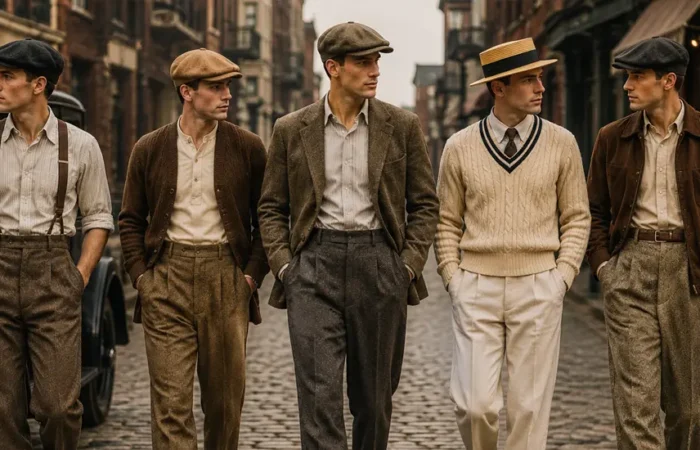
- Newsboy caps
- Suspenders
- Silk neckties
- Bow ties
- Pocket squares
- Leather gloves
- Tie bars
- Cufflinks
Many of these accessories remain fashionable today because they add personality without overpowering an outfit.
For example, a simple pocket square or classic wristwatch can instantly transform an ordinary blazer into a refined ensemble.
7. Heritage Fabrics Never Lose Their Appeal
Another reason why 1920s men’s fashion remains relevant is its emphasis on luxurious fabrics.
Popular materials included:
- Tweed
- Wool
- Flannel
- Linen
- Herringbone
- Velvet
These fabrics not only looked elegant but were also durable and comfortable.
Today, designers continue to incorporate these heritage textiles into modern collections, proving that quality materials never go out of fashion.
Conclusion
1920s men’s fashion continues to stand the test of time because it combines timeless tailoring, premium craftsmanship, and effortless sophistication. From tailored suits and heritage fabrics to classic accessories, the style of the Roaring Twenties still influences modern menswear and proves that true elegance never goes out of fashion. Whether you’re dressing for a formal event or upgrading your everyday wardrobe, incorporating 1920s-inspired pieces is a stylish way to achieve a refined, confident, and timeless look.
Frequently Asked Questions
Q. Why is 1920s men’s fashion still popular today?
A. 1920s men’s fashion remains popular because of its timeless tailoring, high-quality craftsmanship, and elegant designs. Classic pieces like three-piece suits, Oxford shoes, tweed jackets, and vintage accessories continue to influence modern menswear, making them suitable for both formal and smart-casual occasions.
Q. What are the key elements of 1920s men’s fashion?
A. The defining features of 1920s men’s fashion include tailored three-piece suits, high-waisted trousers, waistcoats, dress shirts with detachable collars, Oxford or brogue shoes, fedora hats, suspenders, pocket watches, silk ties, and wool or tweed fabrics. These pieces created a polished and sophisticated appearance.
Q. How can I incorporate 1920s men’s fashion into my modern wardrobe?
A. You can embrace 1920s-inspired style by investing in a well-tailored blazer or three-piece suit, choosing classic leather Oxford shoes, wearing heritage fabrics like tweed or herringbone, and adding vintage accessories such as pocket squares, tie bars, or a classic wristwatch. Pairing these timeless pieces with modern basics creates a stylish and balanced look.
Q. Is 1920s men’s fashion suitable for weddings and formal events?
A. Yes, 1920s men’s fashion is an excellent choice for weddings, cocktail parties, black-tie events, and formal celebrations. Three-piece suits, tuxedos, vintage-inspired waistcoats, bow ties, leather brogues, and elegant accessories create a refined and sophisticated appearance that never goes out of style.
Q. Which movies and TV shows have influenced the popularity of 1920s men’s fashion?
A. Popular films and television series such as The Great Gatsby, Peaky Blinders, Boardwalk Empire, and Downton Abbey have played a significant role in reviving interest in 1920s men’s fashion. Their iconic costumes have inspired modern designers and encouraged fashion enthusiasts to embrace vintage tailoring, heritage fabrics, and classic gentlemanly style.



Leave Your Comment: